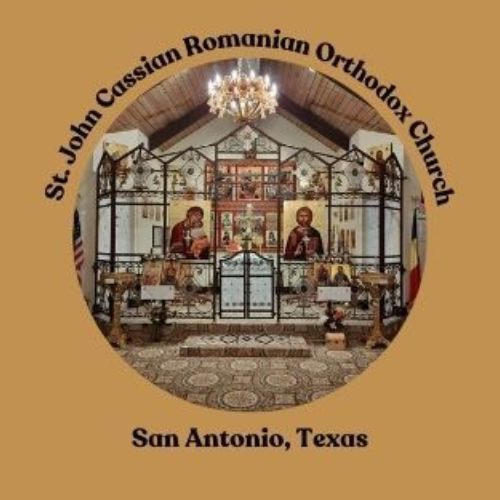
St. John Cassian Romanian Orthodox Church is dedicated to two great saints whose lives and witness continue to inspire us today.
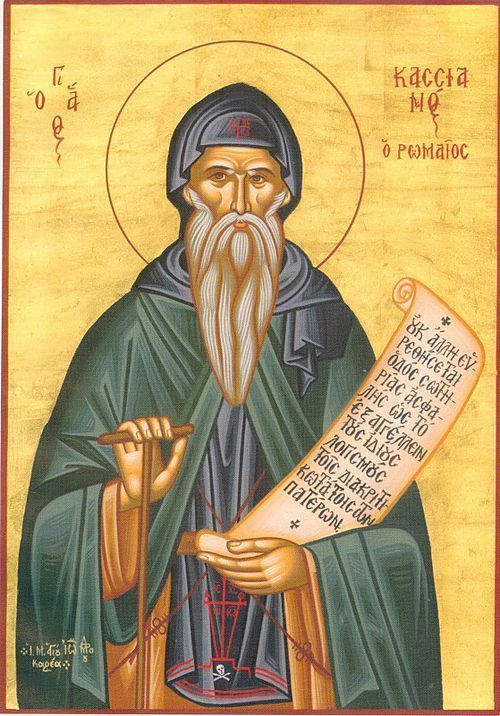
St. John Cassian
Saint John Cassian, often regarded as a bridge between the monastic traditions of the East and West, was born in the Danube Delta of modern-day Romania around the year 360 AD. In his early twenties, seeking a deeper union with God, he entered a monastery in Bethlehem. However, his thirst for spiritual wisdom soon led him to the Egyptian desert, where he spent nearly two decades learning from the renowned Desert Fathers.
Around 399 AD, John traveled to Constantinople, where he was ordained a deacon by the great Saint John Chrysostom. Following the unjust exile of Chrysostom in 403 AD, John Cassian traveled to Rome and eventually settled in Marseilles. There, he was ordained a priest and founded two influential monasteries, one for men and one for women. bringing the disciplined asceticism of the East to the European landscape.
St. John is most celebrated for his foundational literary works, the Institutes and the Conferences. These writings meticulously detailed the practicalities of monastic living and captured the profound spiritual dialogues he held with the desert elders. His teachings on overcoming the "eight principal vices" helped shape the spiritual framework of Western monasticism for centuries.
Saint John Cassian reposed in the Lord around 435 AD. His feast day is celebrated on February 29th, or 28th during non-leap years.
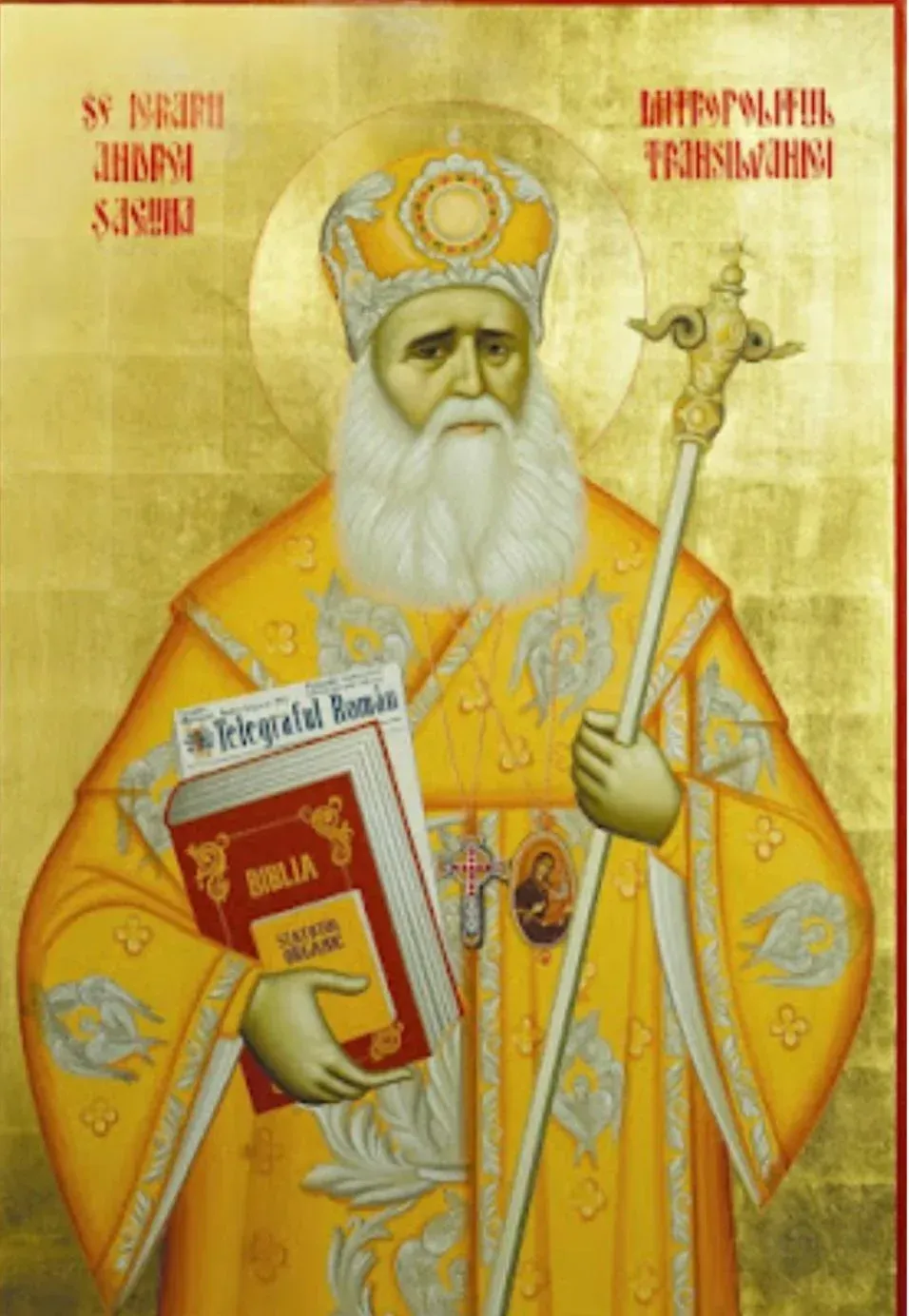
St. Andrei Saguna,
Metropolitan of Transylvania
Andrei Saguna (January 20, 1808 -28 June,1873) was a Metropolitan bishop of the Romanian Orthodox Church in Transylvania, and one of the Romanian community political leaders in the Habsburg monarchy, active during the 1848 revolution.
He was aromanian in origin, but his family settled in Miskolc, Hungary due to commercial interests. Saint Andrew was born here, the youngest of three children, and was baptized Anastasios. Saguna's parents chose to convert to Roman Catholicism for a better status, but they continued to practice their original religion in secret, so the future Metropolitan was never practicing Catholic religion. He studied philosophy and law at the University of Pest, but he was determined to study theology, so he accepted the invitation of the Serbian bishop Maxim Manuilovici and went to Vrsac, Serbia.
On November 1, 1833, at the age of 25, Anastasios became a monk at the Serbian Hopovo Monastery under the name Andrew. He was an educated monk, with studies in law, philosophy and theology, with a good command of Romanian (including the Aromanian dialect), Hungarian, German, Serb, Greek, Latin and Slavonic.
Metropolitan Andrei Saguna was a great man of prayer and fasting, a perfect celebrant, preacher and shepherd of souls, who has always been in touch with the clergy and faithful.
He passed away on 16/28 June 1873. The Holy Synod of the Romanian Orthodox Church placed him among saints on July 21, 2011 and is celebrated on November 30.